
HIV/AIDS Surveillance in Europe 2017-2016 Data Released
On 1st of December, we mark World AIDS Day (WAD) to raise awareness about HIV and its impact

On 1st of December, we mark World AIDS Day (WAD) to raise awareness about HIV and its impact

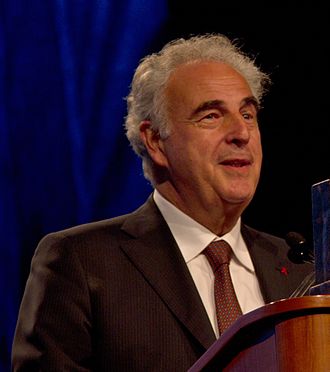
With this letter, we – undersigned civil society organizations – call on you to reinstate the position of Prof. Michel Kazatchkine as your Special Envoy on HIV/AIDS in Eastern Europe and Central Asia (EECA). We strongly urge you to reinstate the position of Prof. Michel Kazatchkine as your Special Envoy for Eastern Europe and Central Asia, or at the very least use your influence to ensure that Prof Kazatchkine may continue his work at UN level, as he is in an excellent position next year to create a momentum to raise awareness on the disruptive situation the epidemics has caused in the region. Please, support this letter by signing it before 30 November 2017 5pm CeT.

Representatives of 10 countries took part in the first regional autumn school organized by AFEW, which was held from 30 October to 5 November in the Oy-Karagay gorge, not far from Almaty, Kazakhstan. The school was conducted with the support of the Dutch Ministry of Foreign Affairs.

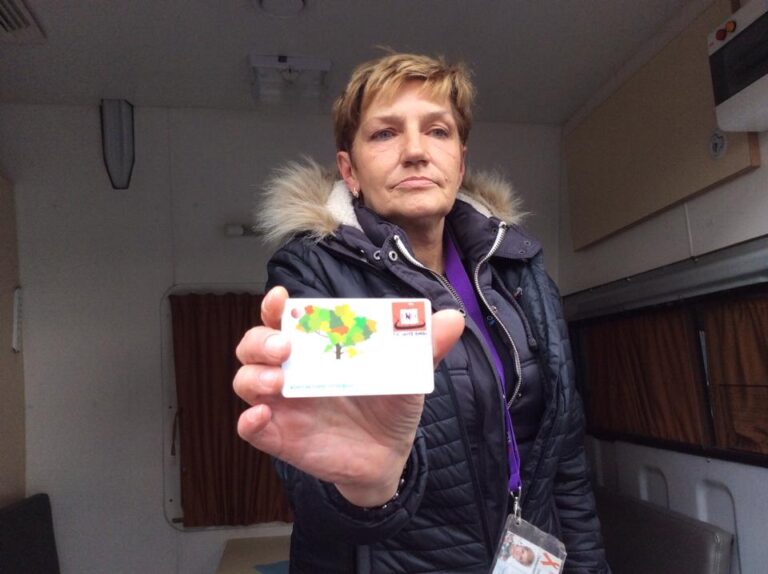
We have spent one day with the mobile clinic in Kyiv, Ukraine, that provides HIV testing for people who inject drugs. The project has been supported by ICF Public Health Alliance for more than ten years. There are five mobile teams from the organization in Kyiv and one team always works night shifts in order to cover the sex workers’ testing. Eney has a large base of volunteers. These people actively use drugs. They offer their friends and acquaintances to pass HIV testing which only takes 15 minutes.

The registration for the 22nd International AIDS Conference (AIDS 2018) will symbolically start on December 1 – the World AIDS Day. The conference will gather scientists, political leaders, and people living with HIV from all around the world. One of the key objectives of AIDS 2018 is to spotlight the state of the epidemic and the HIV response in Eastern Europe and Central Asia with a focus on investments, structural determinants and services.

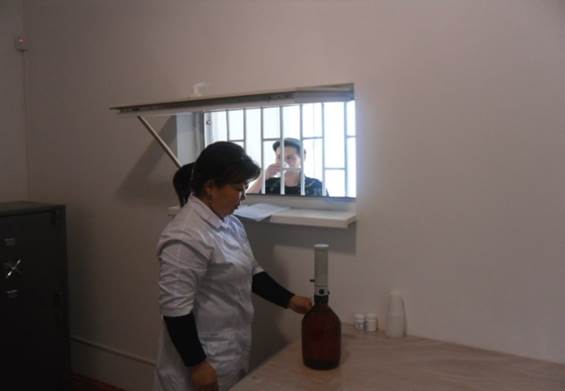
Kyrgyzstan is a leading country in the Central Asia in terms of implementation of harm reduction and HIV prevention programs in the correctional settings. Syringe exchange programs have been available in prisons since 2002, and today over one thousand five hundred people receive clean injecting equipment in all twelve correctional facilities. Atlantis rehab centers have been gradually introduced since 2004 for those convicts who made a decision to quit drugs. Currently, eight such centers are functioning, with the ones who have almost succeeded in stopping with drugs continuing treatment in a separate, so-called “clean compound.”

The first ever Europe-wide online survey has been launched with the aim of improving health care services for

We, at AFEW network, are shocked by the sad news that our colleague Yury Sarankov passed away. Yury worked in AFEW from the very beginning. Starting in Russia, when AFEW was not yet founded and activities were implemented under the flag of Medecins sans Frontiers, he specialized in developing and implementing harm reduction activities. We have lost a strong advocate for HIV prevention, the rights of key populations affected by HIV, and also a very nice man and a very dear colleague. Our condolences go to his family, friends, and colleagues.

Sex workers over the age of 30 desperately need employment; women living with HIV have a need for women’s dormitories – these are the preliminary conclusions of two different studies conducted in Kyrgyzstan. The complete results of the needs’ assessment and HIV prevention programs in the country will be presented at the 22nd International AIDS Conference (AIDS 2018). The research is conducted by these communities for the first time. AFEW International provided this opportunity for key populations in Kyrgyzstan and other countries of East Europe and Central Asia (EECA) within the Small Grants Program.

There will be three long term residencies (2-3 months) for artist to be placed outside traditional art spaces in institutes and organisations that work in the social and health sphere, such NGO’s, Health-, Research-, and Cultural Institutes. The invited artists will interact with social and health professionals, artists and art organisations in the Netherlands. The artists are asked to reflect on the relationship between the Netherlands and EECA countries in the sphere of social and public health matters. The final works will be presented at AIDS 2018.