
Through virtual to real
Online conference for and about teens “Through virtual to real”, organized by ICF “AIDS Foundation East-West” (AFEW-Ukraine) in partnership with ICF “Alliance for Public Health”, will be held on the 15-17 September.



Online conference for and about teens “Through virtual to real”, organized by ICF “AIDS Foundation East-West” (AFEW-Ukraine) in partnership with ICF “Alliance for Public Health”, will be held on the 15-17 September.

“Thanks to HIV, I plunged into the world of spiritual and moral growth and realized that I am responsible for everything that happens in my life.”

A virtual round table held on 12 August to discuss the results of the Antistigma project brought together partners from Tajikistan, Kazakhstan, and The Netherlands.
In 2017, ICF “AIDS Foundation East-West” (AFEW-Ukraine) created a pilot project to introduce a tool for monitoring and documenting cases of violation of the rights of MARA in Ukraine.
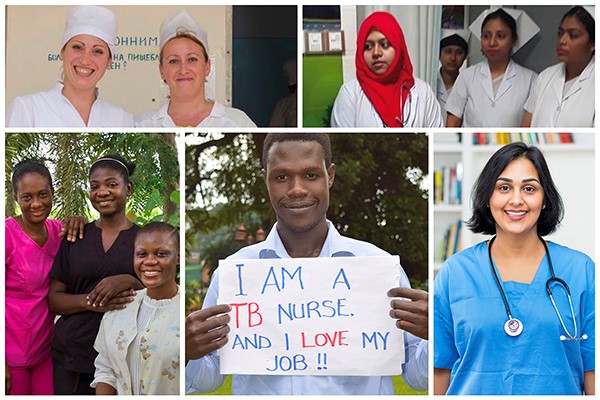
The Stop TB Partnership dedicates the call for the 2020 Kochon Prize Nominations to all the Nurses on the front line fight against TB.
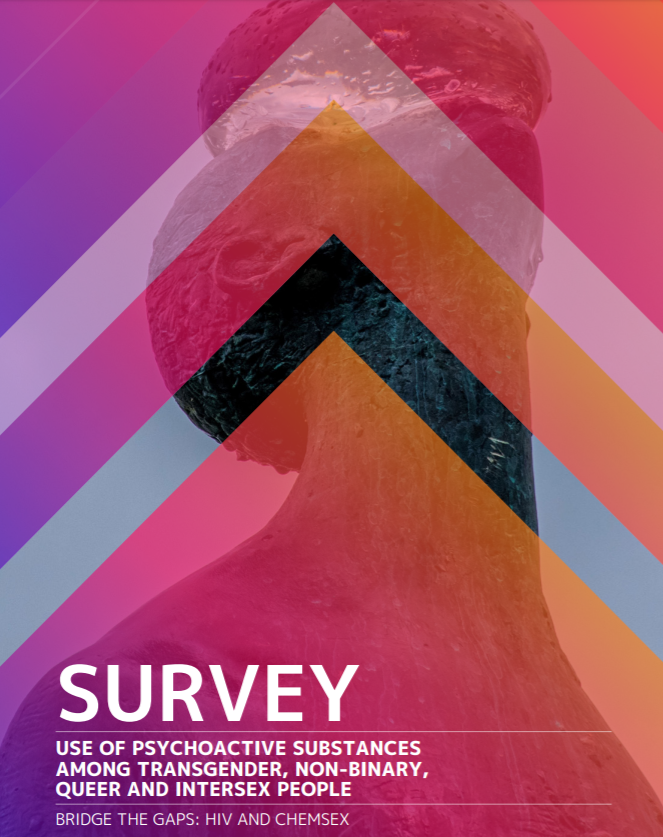
The number of transgender people who use non-injecting drugs has significantly increased in recent years, according to the HPLGBT, a recipient of the Emergency Support Fund for Key Populations in Eastern Europe and Central Asia. As a result of this, their sexual behaviour has become more risky and the likelihood of becoming infected with HIV has increased significantly.
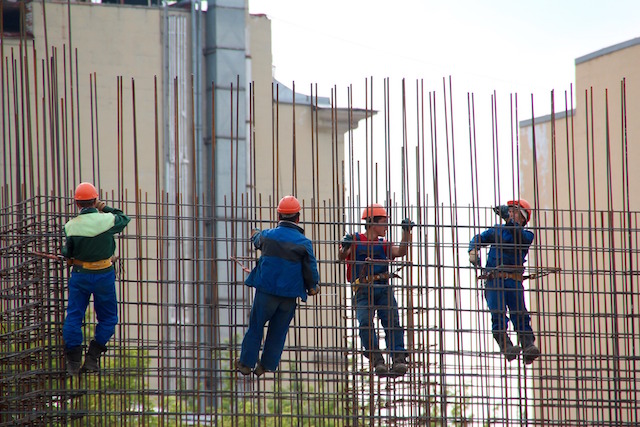
The roles and perspectives of key stakeholders on access to health services for labour migrants in Russia have not been studied extensively. Chamid Sulchan, a student of Vrije Universiteit Amsterdam and intern of AFEW International, during his internship made a research “Roles and perspectives of key stakeholders on access to health services for labour migrants from Central Asia to Russia”.
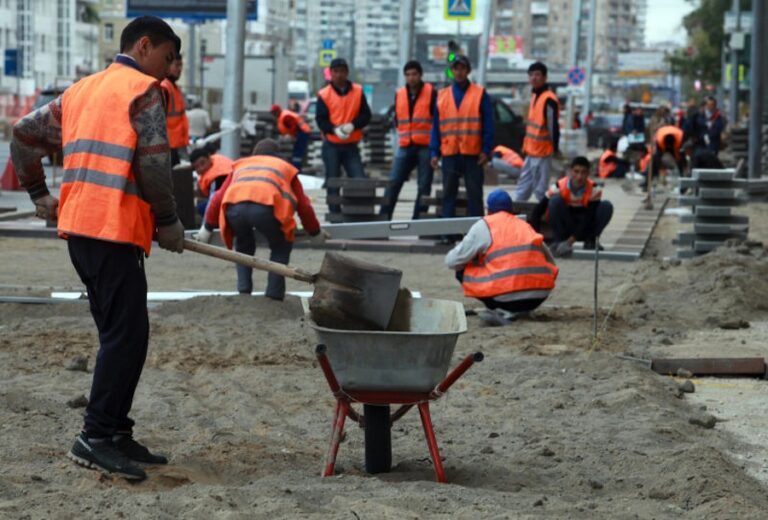
How NGOs in Russia and Kazakhstan are helping migrants.
AFEW International is conducting a questionnaire among Civil Society Organisations in the EECA region to measure the impact of COVID-19 on CSOs in the region.

In the Eastern Europe and Central Asian region (EECA), the space for civil society is constantly shrinking. Central