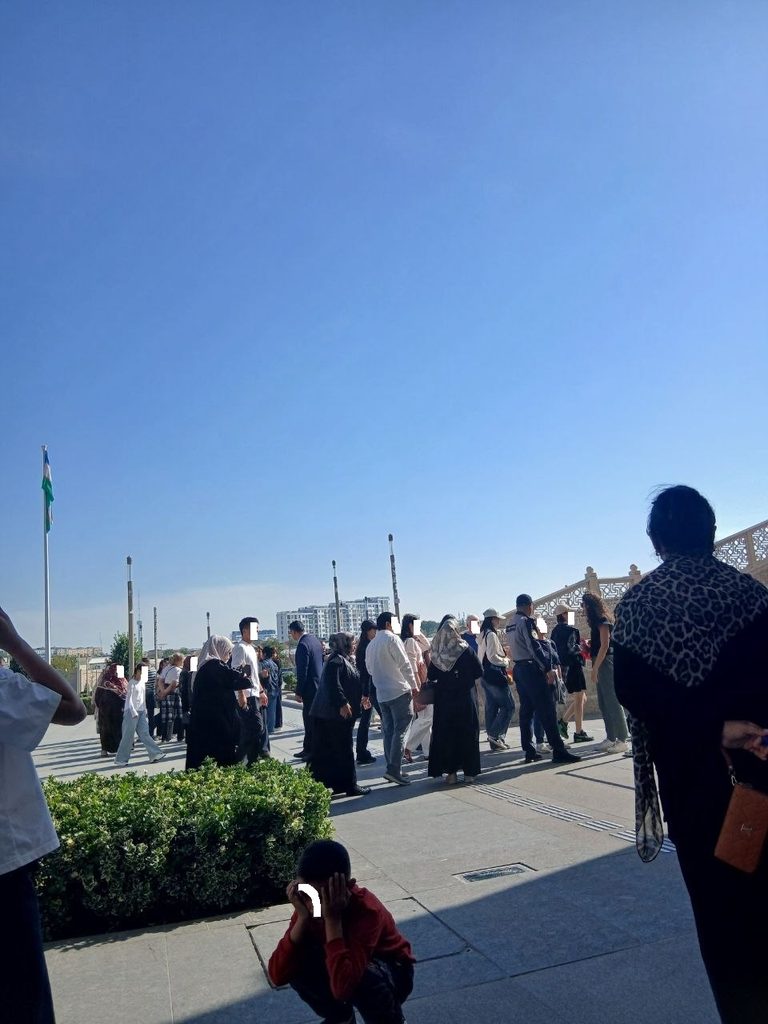
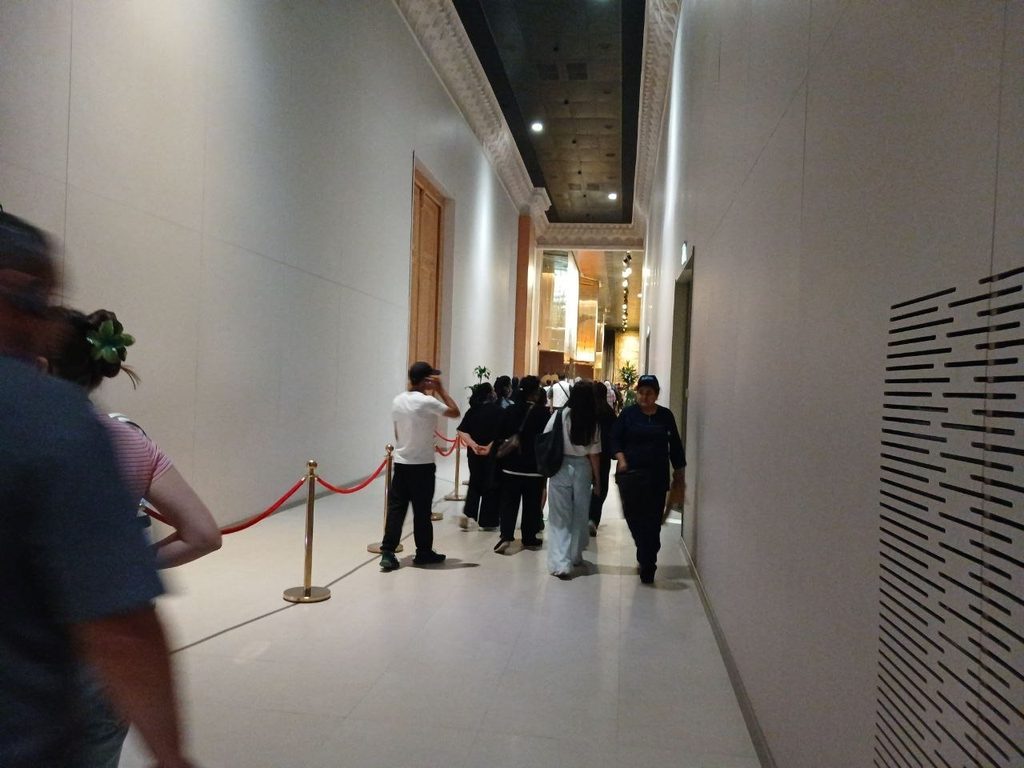
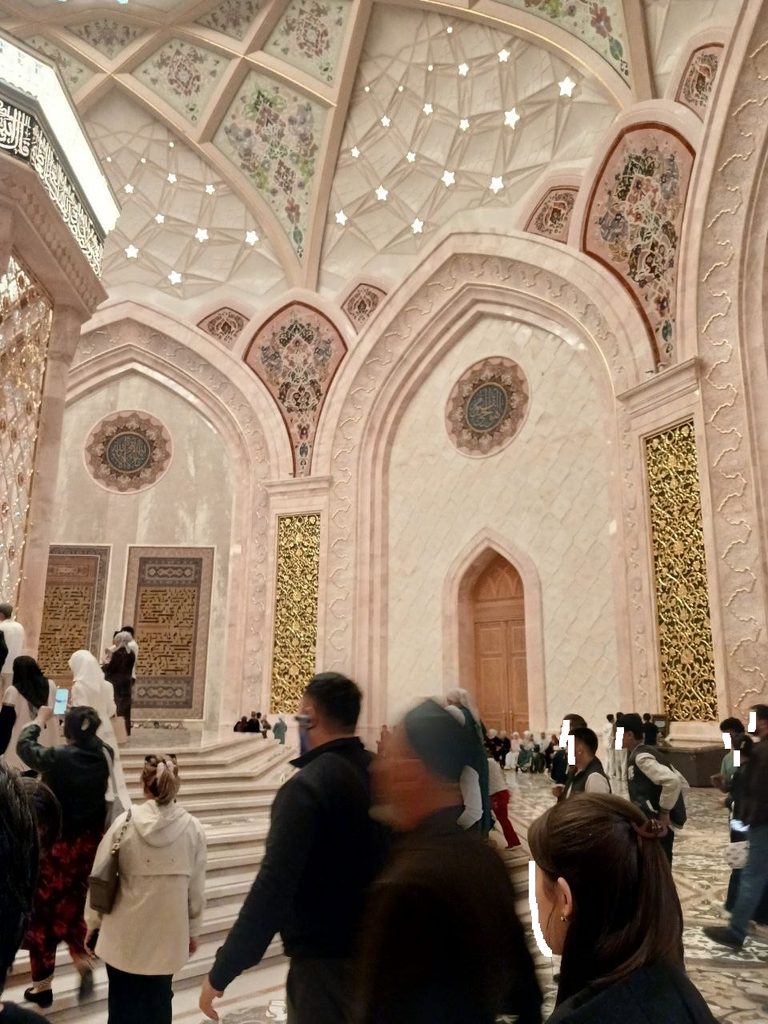
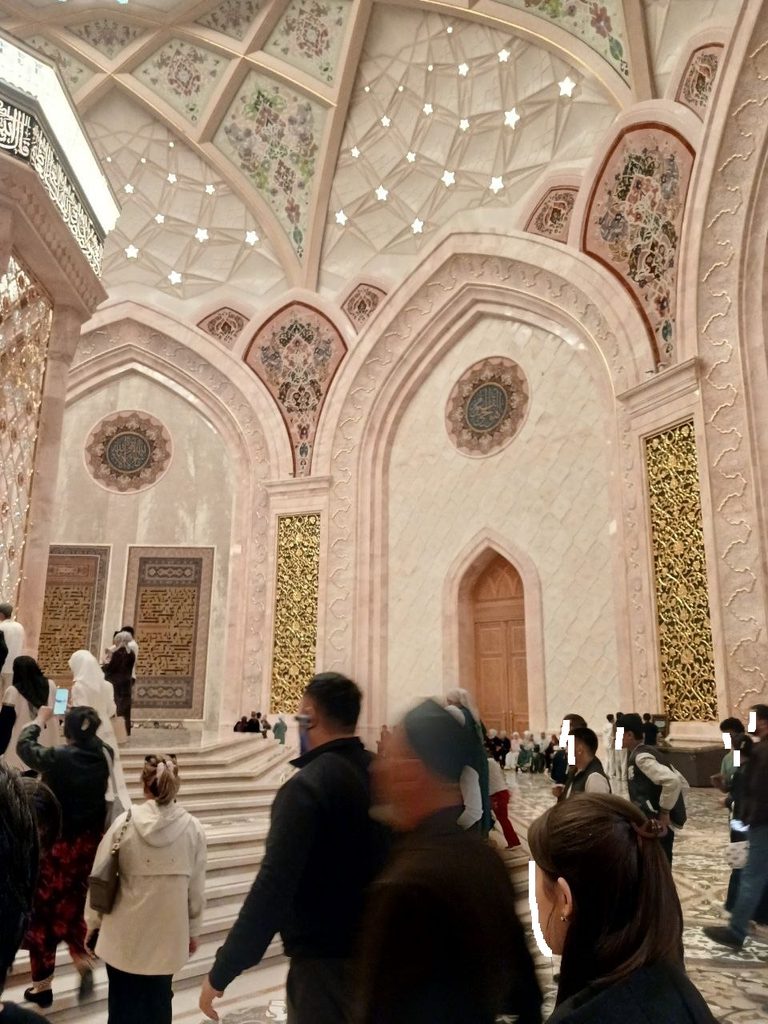
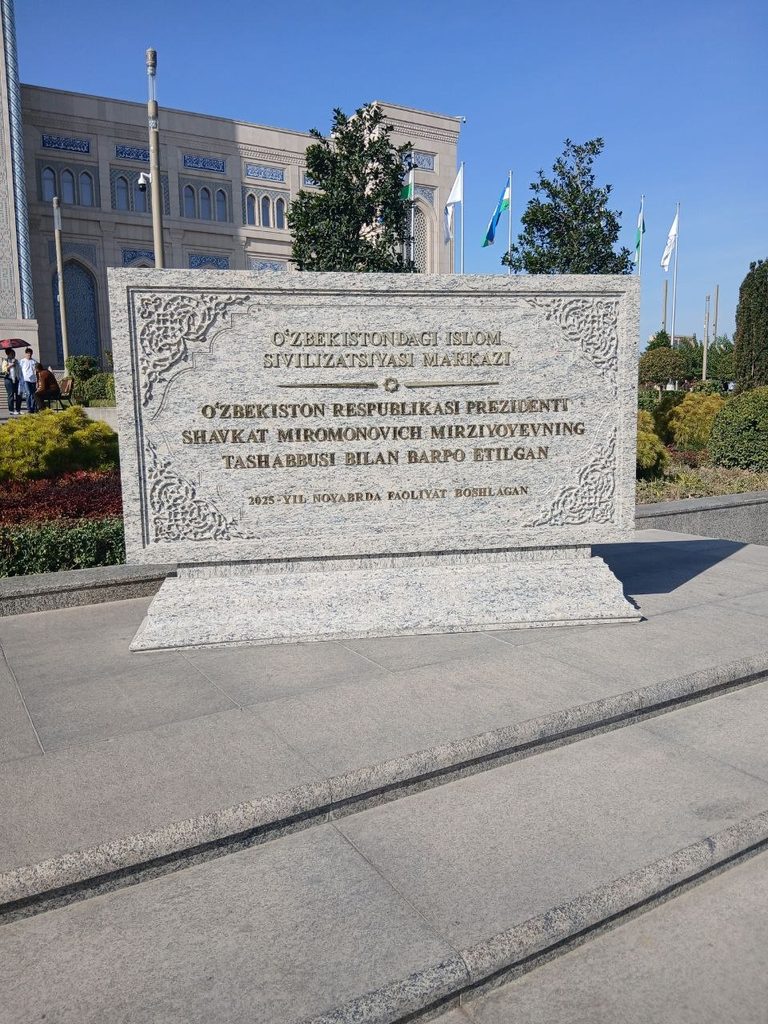
On 11 October 2026, Nurbonu, AFEW International’s local partner organisation in Uzbekistan, organised a cultural excursion to the Centre of Islamic Civilisation in Tashkent for young people from Samarkand, accompanied by their parents and medical professionals from the Samarkand AIDS Centre. More than a cultural visit, the event created an opportunity for young people to strengthen social connections, build confidence and experience a sense of belonging — values at the heart of AFEW International’s work to promote inclusion and reduce stigma in Uzbekistan.
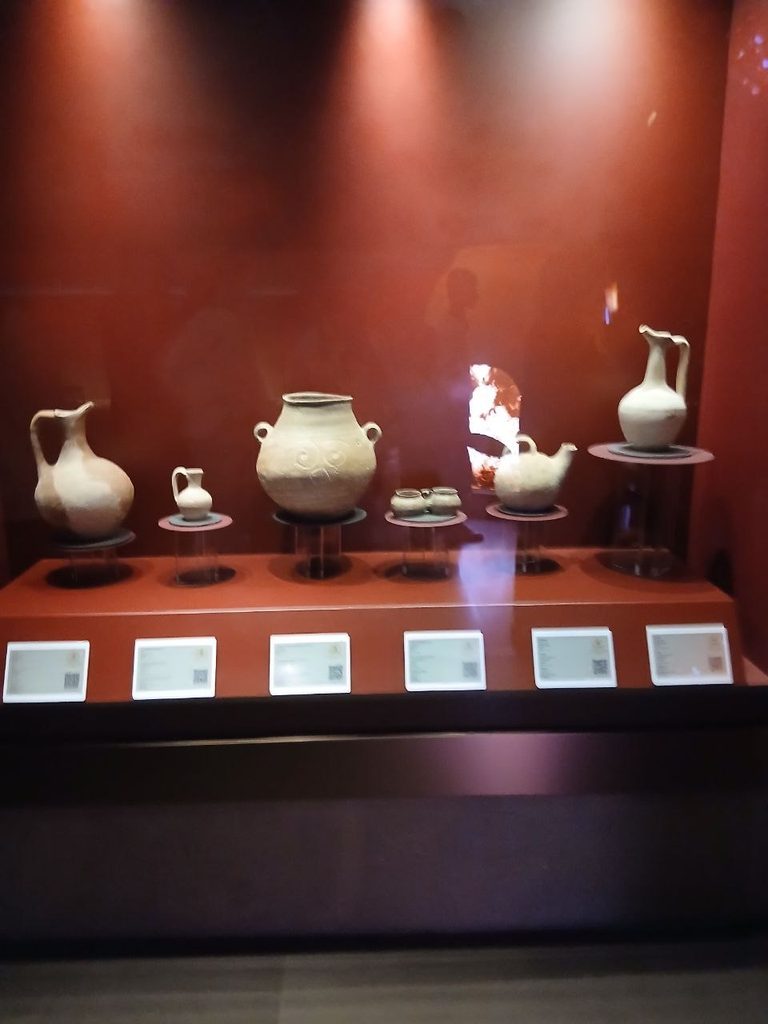
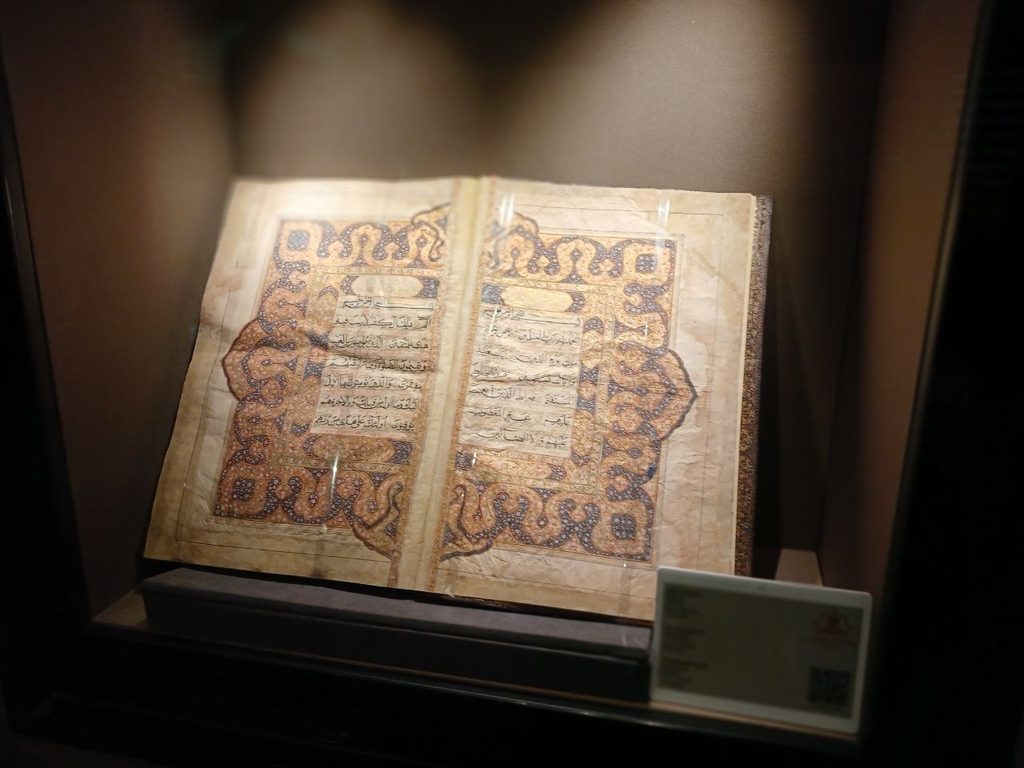
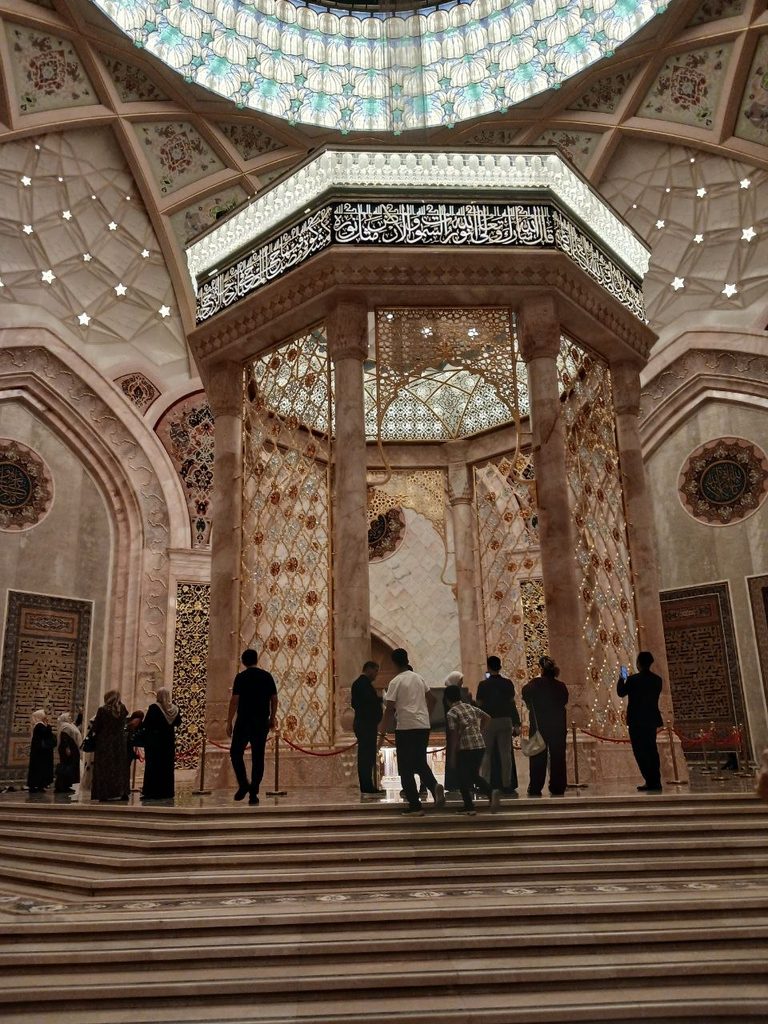
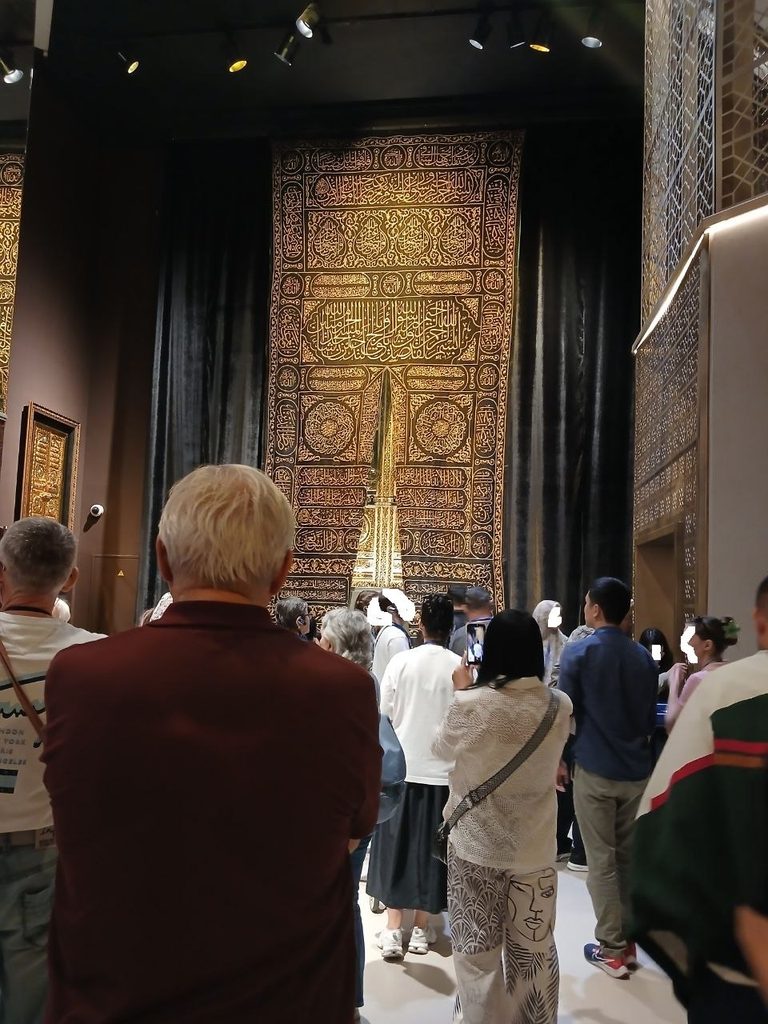
The Centre of Islamic Civilisation, which opened in March 2026, is a major educational, scientific and museum complex dedicated to preserving and promoting Uzbekistan’s cultural heritage. Its exhibitions connect the country’s pre-Islamic and Islamic history with achievements in science, education and technology.
During the excursion, the young participants explored the exhibitions using audio guides, discovering the region’s scientific achievements, spiritual traditions and contributions to world civilisation. They had the opportunity to experience history beyond the classroom, ask questions and share their discoveries with one another. But perhaps the most valuable part of the day was the opportunity to spend time together.
Creating opportunities for inclusion and participation
For young people living with or affected by HIV, social isolation, stigma and discrimination can create barriers to participating fully in everyday life. Opportunities to join cultural and educational activities, build friendships and explore new interests are therefore an important part of supporting their well-being and social inclusion.
The excursion offered a welcoming environment where young people could enjoy new experiences alongside their peers, parents and healthcare professionals. Rather than focusing on medical issues, the day was about curiosity, learning, shared experiences and simply enjoying time together.
Such activities can help young people develop confidence, strengthen their sense of identity and feel more connected to their communities. They also create opportunities for families to spend positive time together outside the challenges of everyday life.
Building trust between young people, parents and healthcare professionals
Another important aspect of the visit was the participation of medical professionals from the Samarkand AIDS Centre.
For young people living with HIV, relationships with healthcare providers are an important part of their lives. However, these relationships often develop primarily in clinical settings, where conversations tend to focus on treatment and health concerns.
Spending time together in a different environment provides opportunities for more informal communication. It can help young people and their families see healthcare professionals not only as medical specialists, but also as people they can talk to and trust.
Building such relationships is particularly relevant to AFEW International’s work in Uzbekistan, where supporting adolescents living with HIV, improving communication within families and strengthening trust between communities and healthcare providers are important priorities.
Connecting the experience to the Empowering Voices project
The excursion reflects the broader objectives of the EU-funded project “Empowering Voices for Inclusive Development: Strengthening Civil Society Organizations (CSOs) in Uzbekistan, focusing on women and youth”, implemented by AFEW International together with local partners, including Nurbonu in Samarkand.
The project aims to strengthen 15 civil society organisations working with vulnerable communities, particularly women and young people living with or affected by HIV. One of its central goals is to reduce stigma and discrimination while creating more opportunities for people to participate actively in community life.
An important part of the project is the Asset-Based Community Development (ABCD) approach, which focuses on the strengths, talents, relationships and resources already present within communities.
The cultural excursion illustrates how these principles can be applied in practice. Uzbekistan’s cultural institutions offer valuable opportunities for learning and participation, while connections between young people, families, healthcare professionals and local organisations can form the basis of stronger community support.
The project also recognises that inclusion cannot be achieved through healthcare services alone. Young people need opportunities to develop their interests, build relationships, participate in cultural life and feel valued as members of society.
For civil society organisations, activities like this offer a practical example of how social inclusion can be promoted by bringing together different members of the community and making use of existing local resources.
Small experiences, meaningful opportunities
At the end of the day, participants returned to Samarkand with new knowledge, memorable experiences and stories to share.
The visit demonstrated that supporting young people means looking beyond their medical needs. Access to education, culture, friendship and meaningful participation is equally important for their personal development and well-being.
By encouraging positive interactions between young people, families and healthcare professionals, initiatives like this can contribute to more supportive relationships and more inclusive communities.
After all, inclusion is not only about removing barriers. It is also about creating opportunities for everyone to participate, discover their potential and feel that they belong.
This article was produced within the framework of the EU-funded project “Empowering Voices for Inclusive Development”. Its contents are the sole responsibility of AFEW International and do not necessarily reflect the views of the European Union.