

Together with our partners in Uzbekistan, Center for the Development of Modern Journalism, we are conducting an information campaign from November 25 to December 10 as part of the international initiative “16 Days of Activism Against Gender-Based Violence.”
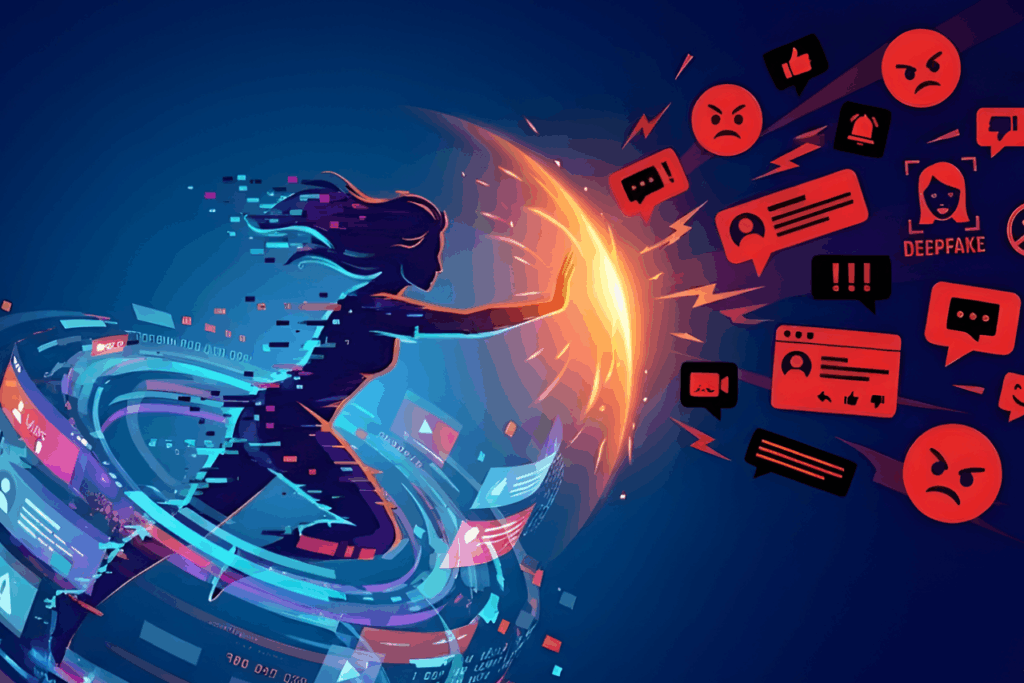
This year’s global theme focuses on combating digital violence against women and girls, one of the fastest-growing forms of abuse, under the slogan:
“Join forces to end digital violence against all women and girls.”
According to UN and UN Women data:
- One in three women worldwide has experienced physical or sexual violence;
- 38% of women have faced online harassment, threats, or stalking;
- Up to 95% of deepfakes are pornographic, and almost all victims are women.
“Digital violence is no longer just ‘online rudeness.’ It has become a tool of intimidation, control, and reputation destruction. As long as women do not feel safe online, true digital transformation cannot take place,” notes Saida Sulaymanova, Director of the Center for the Development of Modern Journalism, in an analytical report.
Key campaign hashtag:
#ZoravonlikkaQarshi16Kun
It will be used across all materials — on social media, in media publications, videos, cards, and stories.
The hashtag aims to:
- Unite all campaign communications into a single digital stream;
- Increase visibility of the topic on social media;
- Mobilize youth, ambassadors, and media;
- Create an online space where discussions about digital violence are safe and constructive.
The hashtag will serve as the campaign’s main navigation element and will be integrated into content by all partners and ambassadors.
The campaign covers key communication channels — from major media outlets to youth-focused digital platforms. In partnership with Anhor.uz and regional publications, analytical materials, interviews with doctors and experts, and video content are being prepared.
The goal is to create a broad public discussion and bring sensitive topics out of the shadows.
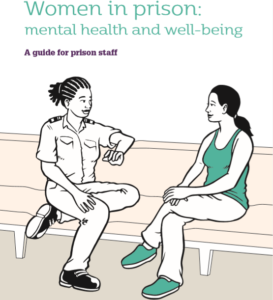
Special attention is given to educational platforms: on Tabassum (https://edusmile.uz/ru), a series of materials will cover women’s rights and HIV, myths about HIV, and proper reporting on violence in the media. A special guide for journalists preparing materials on these topics will also be presented.
The website factchecknet.uz will produce a series of fact-check articles under the hashtag #ThinkCheckShare, aimed at encouraging readers to critically evaluate information.
Young fact-check ambassadors (aged 18–28) will join the campaign. They will create original content for Instagram and Telegram, launch challenges, and share stories that help break stereotypes. Youth speaking to youth is the most effective way to engage and build trust.
The campaign is implemented with the participation of partner NGOs working with women and people living with HIV. These organizations have direct access to those most often facing stigma and in need of a safe environment to access information and support.
Campaign components:
- Analytical and educational publications on HIV and violence;
- Interviews with virologists, lawyers, and NGO representatives;
- Series of cards “Myths and Facts about HIV”;
- Guide for journalists on proper reporting of HIV and violence;
- Fact-checks and interactive tests on factchecknet.uz;
- Activities by fact-check ambassadors;
- Publications in Russian and Uzbek in national and regional media.
The campaign creates a unified information space where issues of digital violence and HIV are addressed professionally, safely, and factually. It helps reduce stigma, strengthen trust in verified information, and support those who face discrimination daily.
The campaign is a part of the AFEW International project “Empowering Voices for Inclusive Development: Strengthening Civil Society Organizations (CSOs) in Uzbekistan, focusing on women and youth,” financially supported by the European Union.
Join the information campaign. Together, our voice is louder!
This publication is funded by the European Union. Its content is the sole responsibility of the Center for the Development of Modern Journalism and does not necessarily reflect the views of the European Union.